In January 2022 I dropped an unpopular opinion on Twitter: that basic digital marketing training should be compulsory. A small debate opened up. What surprised me was that most people were clearly in favour.
I'm Nico, a freelance digital marketing consultant in Seville. I studied Audiovisual Communication and started learning digital marketing for fun halfway through my degree. Since then I've taught dozens of people on employment programmes and as a volunteer, plus the odd private lesson. Four years after that tweet, I stand by my opinion. And now I have data.
What I mean by “basic training” (and what I don't)
A digital education subject, not a degree. Twelve skills that anyone should have by the age of 16, and any business before opening an Instagram account:
- What accepting all cookies means, and what changes if you accept only the necessary ones.
- What the “receive updates” box next to the privacy policy implies.
- How to set a profile's privacy settings and spot fake accounts, hoaxes and fake giveaways.
- Why a free app makes money from your data.
- How an ad works: who pays, who sees it and why it follows you around the internet.
- What makes a website of your own different from a profile on a network that isn't yours.
- What a Google search is and why some results come up first.
- How to tell whether a website is secure before entering your card details.
- What you can and can't measure about what you post.
- What a review is, what it's worth and why people buy them.
- What an algorithm does with what you see and what you don't.
- How a political campaign is run on social media and why you get the same message from a hundred accounts.
It's already part of everyone's daily life
Digital marketing isn't only done by companies any more. People do it, and apps do it.
Every app on your phone collects data, shows you ads and geolocates you. The supermarket loyalty card, the “join through the app”, the TV programme that would rather you voted free from your phone than paid for a text message: it's all digital marketing. If you don't know it, you sense it.
Basic training wouldn't make everyone want to be an influencer. It would help people understand what's done with their data and make informed decisions. That's what the twelve skills above are for.
Work demands it, whether or not you're in the sector

At the Faculty of Communication in Seville there were three degrees side by side: Audiovisual Communication, Advertising and Journalism. I made friends in all three. Almost all of us have ended up training in digital marketing, some by vocation and some out of necessity. Just look at job ads: digital marketing roles ask for a degree in communication, and communication roles ask for digital marketing knowledge.
And it doesn't stop at communication. Search for shop assistant or hotel receptionist vacancies. Standing behind a counter with a computer to hand now apparently means running the business's social media.
The small business data confirms it. A Beedigital study published in July 2026 found that 85% of small Spanish businesses handle their digital marketing in-house. In 45% of cases the owner does it. And only 29% believe they have the knowledge they need. In other words: most of them do it, and most of them know they don't know how.
I see it in my work. Of the 30 Diagnostic Sessions I've run in 2026, more than 40% came in with a website that had no key events set up in GA4. Nobody had taught them that this gets measured. I explain how to measure it in the digital marketing KPIs that matter for a small business.
What I've seen teaching
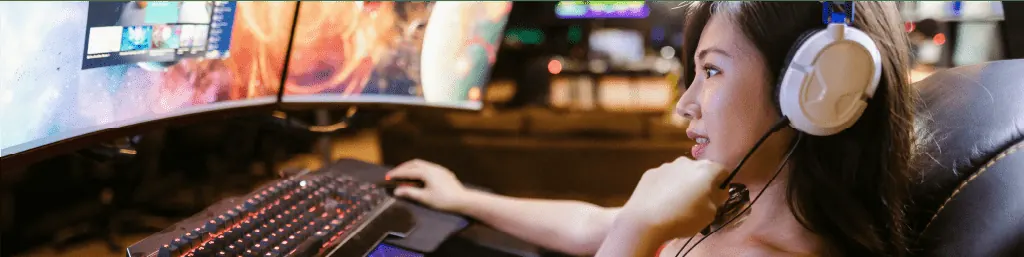
On one volunteer course, half the class didn't know that Instagram's search and Google's search aren't the same thing. We spent the first hour on that. It was the most useful hour of the course.
I've trained dozens of people on employment programmes and as a volunteer, and I've given the odd private lesson. People of all ages, retired people included. Two things keep coming up. First: nobody comes to learn how to run campaigns; they come to understand what's already happening to them. Second: as soon as they understand how an ad or a cookie works, they change how they use their phone that same day.
Whatever your age, it's not too late. And if your moment has passed, you can still talk to your children or your nieces and nephews on equal terms. About the dangers and the opportunities.
And what about a degree in digital marketing?

Here's the nuance. The basic training you need is free and already exists: platforms like Udemy, Platzi or Domestika, and professionals who share their method without asking for anything in return.
If those basics were taught at 12 or 13, anyone who got hooked would arrive at university knowing what to specialise in. And anyone who chose another path would have just enough to boost their personal brand and be a stronger candidate in the job market. I wrote about how that brand is built in the origins of personal branding.
Being on social media isn't doing digital marketing. But it is taking part in the game. Knowing the rules is the bare minimum.
If you run a business and want those basics for yourself or your team, I teach them in hands-on digital marketing training and mentoring sessions. So you don't have to depend on anyone.
Sources
- Original tweet from the debate (January 2022): https://twitter.com/auvenico/status/1481929422399750151
- Beedigital, study on how small businesses manage digital marketing (Jul 2026, via Pyme Actual): https://www.pymeactual.es/noticias/20260707/-60-pymes-espanolas-preve-aumentar-su-inversion-en-marketing-digital-aqui-2030
- Own data: Auve Nico Diagnostic Session log, January-September 2026.
Freelance digital marketing consultant in Seville. I work on the digital presence of professionals and small businesses with one simple principle: your website as your operations hub. Building websites, doing SEO and running social media with my own hands since 2018.
Get to know me